Wildlife management plays a major role in protecting nature while allowing people to use natural resources responsibly. Every country has its own way of managing forests, animals, and ecosystems. In Norway, one of the most important organizations involved in this work is the viltnemnda.
If you have searched for the term “viltnemnda,” you may have noticed that there is limited information available in English. Many sources explain only the basic meaning without discussing how the system works or why it is important. This guide goes much further by providing detailed explanations, practical insights, and easy-to-understand information for readers in the United States and around the world.
Whether you are interested in wildlife conservation, environmental policy, hunting regulations, or Norwegian government systems, understanding viltnemnda helps you see how modern wildlife management balances conservation with sustainable use.
This comprehensive guide explains what viltnemnda is, how it operates, its legal responsibilities, its role in protecting wildlife, and why it remains an essential part of Norway’s environmental management system.
What Is Viltnemnda?
The word “viltnemnda” comes from Norwegian.
“Vilt” means wild game or wildlife.
“Nemnda” means committee or board.
Together, viltnemnda refers to a wildlife management committee that oversees wildlife-related matters within a municipality or local government area.
Rather than functioning as a national agency, viltnemnda serves at the municipal level. These committees work closely with government agencies, conservation experts, hunters, landowners, and local communities to make informed decisions about wildlife management.
Their primary mission is to ensure healthy wildlife populations while reducing conflicts between humans and animals.
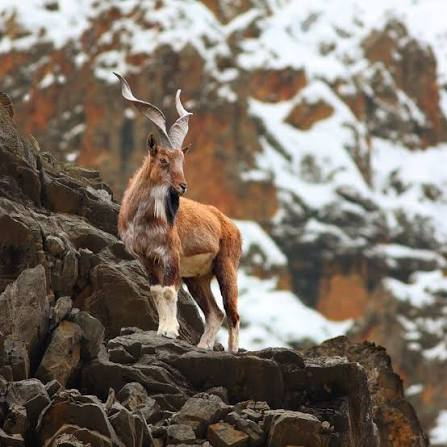
Unlike organizations that focus only on protecting endangered species, viltnemnda balances conservation with practical issues such as agriculture, forestry, hunting, tourism, and public safety.
Understanding the Purpose of Viltnemnda
The purpose of viltnemnda extends beyond simply managing animals.
Its work focuses on maintaining ecological balance while supporting responsible land use.
Some of its primary objectives include:
- Conserving wildlife populations
- Protecting biodiversity
- Supporting sustainable hunting
- Preventing overpopulation of certain species
- Reducing damage to crops and forests
- Managing conflicts between wildlife and people
- Supporting scientific wildlife monitoring
- Helping municipalities follow Norwegian wildlife laws
This balanced approach has helped Norway maintain many healthy wildlife populations while allowing controlled hunting traditions to continue.
Also Read: Acamento: The Digital Management Platform That Simplifies Workflow and Boosts Productivity
The History of Viltnemnda
Norway has a long tradition of wildlife management dating back hundreds of years.
Historically, hunting served as an important source of food and income. As populations grew and industrial development expanded, wildlife management became more organized.
During the twentieth century, Norway introduced stronger environmental regulations to protect forests, rivers, and wildlife habitats.
Municipal wildlife committees gradually became part of this system.
Over time, viltnemnda evolved from mainly regulating hunting into a broader organization responsible for:
- Wildlife conservation
- Population monitoring
- Habitat protection
- Sustainable resource management
- Cooperation with environmental authorities
Today, modern wildlife management combines scientific research with local knowledge.
This combination helps municipalities make decisions based on both ecological evidence and practical experience.
Why Viltnemnda Matters Today
Modern wildlife management is much more complicated than it was decades ago.
Climate change, urban expansion, road construction, tourism, agriculture, and changing ecosystems all affect wildlife populations.
Without local management organizations like viltnemnda, municipalities would struggle to respond quickly to changing environmental conditions.
Some examples include:
Increasing deer populations causing traffic accidents.
Moose damaging forests.
Predators affecting livestock.
Wildlife diseases spreading between animals.
Habitat loss from construction projects.
Viltnemnda helps municipalities respond to these challenges while protecting long-term ecological health.
How Viltnemnda Fits Into Norway’s Government
One common misunderstanding is that viltnemnda is a national wildlife department.
In reality, it operates as a local committee within municipalities.
Its work complements national environmental authorities rather than replacing them.
The overall system typically includes:
National government
Creates wildlife laws.
Develops environmental policies.
Sets conservation goals.
Regional authorities
Provide oversight.
Coordinate larger conservation projects.
Offer scientific guidance.
Municipal government
Implements local wildlife policies.
Supports land management.
Works directly with residents.
Viltnemnda
Provides wildlife expertise.
Makes local recommendations.
Oversees hunting management.
Coordinates wildlife-related decisions.
This layered approach allows national standards while giving municipalities flexibility to solve local problems.
Main Responsibilities of Viltnemnda
Although responsibilities vary slightly between municipalities, most viltnemnda committees perform similar duties.
Managing Wildlife Populations
One of the biggest responsibilities is monitoring wildlife populations.
Committee members evaluate:
Animal numbers
Population growth
Migration patterns
Birth rates
Mortality rates
Habitat conditions
These observations help determine whether conservation efforts or population controls are necessary.
Supporting Sustainable Hunting
Norway allows regulated hunting for several wildlife species.
Viltnemnda helps ensure hunting remains sustainable rather than harmful.
Responsibilities often include:
Reviewing population data.
Recommending hunting quotas.
Monitoring harvest levels.
Supporting ethical hunting practices.
Ensuring long-term sustainability.
This scientific approach prevents excessive harvesting while maintaining healthy ecosystems.
Protecting Wildlife Habitats
Animals depend on healthy habitats.
Viltnemnda often reviews issues involving:
Forests
Wetlands
Mountain areas
River systems
Migration routes
Breeding locations
Protecting habitats often benefits many species simultaneously.
Healthy ecosystems create stronger wildlife populations.
Reducing Human-Wildlife Conflict
As cities expand into natural areas, wildlife encounters become more common.
Examples include:
Moose entering neighborhoods.
Deer damaging gardens.
Predators attacking livestock.
Wild boars affecting farmland.
Birds damaging crops.
Viltnemnda works with local authorities to develop practical solutions.
The goal is reducing conflicts without harming wildlife unnecessarily.
The Structure of Viltnemnda
Each municipality organizes its committee slightly differently.
However, most committees include representatives appointed by local government.
Members may include:
Environmental specialists
Municipal officials
Local politicians
Landowners
Wildlife experts
Conservation professionals
Individuals with hunting experience
The combination of scientific and practical knowledge helps improve decision-making.
Rather than relying on one viewpoint, the committee considers environmental, economic, and social factors together.
How Decisions Are Made
Good wildlife management depends on evidence rather than opinions.
Viltnemnda typically gathers information from several sources before making recommendations.
These include:
Wildlife surveys
Population estimates
Scientific research
Local observations
Farmer reports
Hunter data
Government monitoring programs
Environmental experts
Committee discussions usually involve balancing multiple interests.
For example:
Protecting wildlife.
Supporting agriculture.
Maintaining forests.
Preserving biodiversity.
Reducing public safety risks.
Encouraging sustainable recreation.
This balanced process often produces more practical long-term solutions.
The Legal Foundation of Viltnemnda
Wildlife management in Norway operates under national environmental laws.
Viltnemnda follows legislation that governs:
Wildlife conservation
Game management
Protected species
Habitat preservation
Hunting regulations
Animal welfare
Environmental sustainability
Municipal committees cannot create laws independently.
Instead, they apply national regulations within local communities.
This ensures consistency across Norway while allowing flexibility for regional wildlife differences.
Key Wildlife Species Managed by Viltnemnda
Norway supports many large mammals and bird species.
Although management priorities differ by region, viltnemnda frequently works with species such as:
Moose
Red deer
Roe deer
Wild reindeer
Beavers
Foxes
Wolverines
Lynx
Brown bears
Wolves
Various waterfowl
Game birds
Each species requires different management strategies.
Some populations need protection.
Others require population control to prevent ecological imbalance.
Scientific Wildlife Monitoring
Modern wildlife management depends heavily on research.
Viltnemnda increasingly uses scientific methods instead of assumptions.
Common monitoring techniques include:
GPS tracking
Population modeling
Camera traps
Habitat mapping
Satellite imagery
Seasonal field observations
Migration studies
DNA analysis
These technologies provide more accurate information than traditional observation alone.
Better data leads to better conservation decisions.
Balancing Conservation and Hunting
Many people assume wildlife conservation means banning hunting.
Norway follows a different philosophy.
The goal is sustainable use.
When animal populations remain healthy, carefully regulated hunting can:
Control population growth.
Reduce habitat pressure.
Support local traditions.
Generate conservation funding.
Provide ecological balance.
Viltnemnda helps determine when hunting supports conservation goals and when restrictions are necessary.
This evidence-based approach allows wildlife populations to remain healthy over time.
Working With Local Communities
Wildlife management succeeds only when communities participate.
Viltnemnda regularly communicates with:
Farmers
Hunters
Foresters
Environmental organizations
Property owners
Researchers
Tourism operators
Municipal officials
Public cooperation improves both wildlife monitoring and conservation outcomes.
People living near wildlife often provide valuable information that scientific surveys may miss.
Managing Wildlife Damage
Wild animals sometimes damage forests, farms, and infrastructure.
Examples include:
Moose eating young trees.
Deer feeding on crops.
Beavers flooding roads.
Predators attacking sheep.
Birds damaging agricultural fields.
Viltnemnda evaluates these situations carefully.
Instead of eliminating wildlife, committees usually seek balanced solutions such as:
Population adjustments.
Habitat improvements.
Protective fencing.
Compensation programs.
Public education.
Selective management.
The goal is minimizing damage while maintaining healthy wildlife populations.
The Importance of Biodiversity
Healthy ecosystems contain many different species working together.
Viltnemnda supports biodiversity because every species contributes to ecosystem stability.
Predators control prey populations.
Herbivores influence vegetation.
Birds spread seeds.
Insects pollinate plants.
Wetlands support fish and amphibians.
Removing one species can affect many others.
This ecological understanding guides modern wildlife management decisions.
Climate Change and Wildlife Management
Climate change creates new challenges for wildlife managers.
Also Read: Blazertje: The Complete Guide to This Stylish Dutch Fashion Term and Modern Wardrobe Essential
Changing temperatures influence:
Migration timing.
Food availability.
Breeding seasons.
Disease spread.
Habitat quality.
Winter survival.
Species distribution.
Viltnemnda increasingly considers climate-related risks when planning future wildlife strategies.
Long-term planning has become just as important as solving today’s problems.
Public Education and Awareness
An often-overlooked role of viltnemnda is educating the public.
Many wildlife problems result from misunderstanding animal behavior.
Educational efforts may include:
Safe wildlife encounters.
Responsible outdoor recreation.
Hunting ethics.
Wildlife conservation awareness.
Habitat protection.
Reporting injured animals.
Preventing wildlife feeding.
Public education encourages people to become active partners in conservation instead of accidental contributors to wildlife problems.
Why Viltnemnda Is Considered a Successful Local Management Model
Many environmental experts view Norway’s municipal wildlife committees as an effective example of decentralized conservation.
Instead of relying solely on national agencies, local committees can respond more quickly to regional wildlife issues while still following national environmental laws.
This approach offers several advantages:
Local knowledge improves decision-making.
Scientific research supports long-term planning.
Communities become more involved in conservation.
Wildlife policies can adapt to local ecosystems rather than applying one solution everywhere.
The result is a management system that is flexible, practical, and focused on sustainability.
This local involvement has helped Norway maintain healthy wildlife populations while supporting responsible hunting, agriculture, forestry, and outdoor recreation.
Hunting Regulations and the Role of Viltnemnda
Hunting has been part of Norwegian culture for centuries. Today, however, hunting is no longer managed only through tradition. It is guided by science, environmental laws, and careful planning. One of the organizations that supports this process at the local level is the viltnemnda.
Rather than encouraging hunting without limits, viltnemnda helps ensure that hunting remains sustainable. Its recommendations are based on wildlife population data, habitat conditions, breeding success, and environmental changes.
Some of the areas where viltnemnda contributes include:
- Assessing local wildlife populations
- Recommending harvest quotas
- Supporting ethical hunting practices
- Protecting breeding animals
- Maintaining healthy age and gender balance within wildlife populations
- Working with hunting associations and landowners
This balanced approach helps preserve wildlife for future generations while allowing responsible outdoor traditions to continue.
How Wildlife Population Management Works
Managing wildlife is much more than counting animals.
Wildlife experts study how populations change over time. A healthy population is not simply a large one. Instead, it is a population that remains stable and fits within the available habitat.
Viltnemnda considers many factors before making recommendations.
These include:
Population density
Birth rates
Death rates
Predator-prey relationships
Food availability
Forest conditions
Disease outbreaks
Weather patterns
Migration behavior
By analyzing these factors together, wildlife managers can predict future trends and make informed decisions before problems become serious.
Managing Large Mammals
Large mammals receive significant attention because they have major ecological and economic impacts.
Moose
Moose are among Norway’s most recognizable wildlife species.
While they are important to biodiversity and hunting traditions, excessive populations can create challenges such as:
Forest damage
Traffic accidents
Crop destruction
Habitat pressure
Viltnemnda helps maintain balanced moose populations through monitoring and management recommendations.
Red Deer
Red deer populations have expanded in several parts of Norway.
Healthy management prevents:
Overgrazing
Agricultural damage
Habitat degradation
Disease transmission
Roe Deer
Roe deer adapt well to changing environments and often live near residential areas.
Local wildlife committees monitor their numbers to reduce conflicts with agriculture and road safety.
Wild Reindeer
Wild reindeer require special protection because they depend on large, connected mountain habitats.
Development projects, tourism, and climate change can all affect migration routes.
Viltnemnda works alongside environmental authorities to support long-term habitat conservation.
Predator Management
Predators are among the most debated aspects of wildlife management.
Norway is home to several large carnivores, including:
Brown bears
Wolves
Lynx
Wolverines
These animals play essential roles within ecosystems.
However, they may also affect livestock farming and rural communities.
Viltnemnda often participates in discussions involving:
Predator monitoring
Livestock protection
Compensation programs
Conflict reduction
Public information
Conservation planning
The goal is not simply protecting predators or removing them. Instead, wildlife managers seek practical solutions that support both biodiversity and local communities.
Protecting Wildlife Habitats
Animals cannot survive without suitable habitats.
Habitat conservation is often more important than direct wildlife management.
Viltnemnda encourages protection of areas such as:
Mountain ecosystems
Old-growth forests
Wetlands
River corridors
Breeding grounds
Migration routes
Winter feeding areas
Healthy habitats support hundreds of species simultaneously.
Protecting one ecosystem often benefits mammals, birds, insects, fish, and plants at the same time.
Working With Landowners
Private landowners play an important role in Norwegian wildlife management.
Many wildlife habitats exist on privately owned land.
Viltnemnda frequently cooperates with landowners by discussing:
Forest management
Wildlife corridors
Crop protection
Habitat restoration
Sustainable hunting
Conservation projects
This cooperation creates better environmental outcomes than relying only on government regulation.
Wildlife Monitoring Technology
Technology has transformed modern wildlife management.
Today’s viltnemnda committees often benefit from advanced scientific tools.
Examples include:
GPS collars
Remote camera systems
Drone surveys
Satellite mapping
Digital habitat models
Population databases
Geographic Information Systems (GIS)
DNA sampling
These technologies improve accuracy while reducing the need for invasive wildlife monitoring.
Better information allows better environmental decisions.
Managing Wildlife Diseases
Disease monitoring has become increasingly important.
Some diseases spread naturally among wildlife populations.
Others may affect livestock or even humans.
Wildlife managers monitor conditions such as:
Chronic diseases
Parasites
Bacterial infections
Population health
Unusual mortality events
Early detection allows authorities to respond before diseases spread widely.
Viltnemnda contributes by reporting observations and supporting local monitoring programs.
Human-Wildlife Conflict Solutions
As cities expand and outdoor recreation increases, encounters between people and wildlife become more common.
Examples include:
Animals entering residential neighborhoods
Crop damage
Forest damage
Road accidents
Livestock losses
Property damage
Instead of choosing simple solutions, viltnemnda generally promotes balanced management.
Possible approaches include:
Improving fencing
Changing land management practices
Adjusting hunting quotas
Public education
Habitat improvements
Seasonal restrictions
Scientific monitoring
These methods often reduce conflicts while maintaining healthy wildlife populations.
Climate Change and Future Wildlife Management
Climate change is affecting ecosystems worldwide.
Norway is no exception.
Wildlife managers increasingly observe changes such as:
Earlier spring seasons
Changing migration patterns
Reduced snow cover
New disease risks
Vegetation changes
Habitat shifts
Species moving northward
Viltnemnda must adapt management strategies to account for these environmental changes.
Future planning has become one of its most important responsibilities.
The Importance of Public Participation
Successful wildlife management depends on public involvement.
Citizens contribute by:
Reporting wildlife sightings
Following hunting regulations
Protecting habitats
Supporting conservation projects
Driving carefully in wildlife crossing areas
Respecting protected environments
Learning about local ecosystems
Public cooperation improves both scientific knowledge and conservation success.
Challenges Facing Viltnemnda
Although the system has many strengths, several challenges continue to grow.
Urban Expansion
Housing developments reduce available wildlife habitat.
Balancing economic growth with conservation becomes increasingly difficult.
Changing Public Expectations
Different groups often have different priorities.
Hunters
Farmers
Environmental organizations
Tourists
Local residents
Each may have different opinions regarding wildlife management.
Viltnemnda often works to balance these competing interests.
Climate Uncertainty
Rapid environmental changes make long-term planning more difficult.
Wildlife populations may respond differently than expected.
Management strategies must remain flexible.
Financial Resources
Conservation projects require funding.
Municipal budgets sometimes limit wildlife monitoring, research, and habitat restoration.
Efficient planning becomes especially important under these conditions.
Lessons Other Countries Can Learn
The viltnemnda model offers valuable lessons beyond Norway.
Several features make it especially effective.
Local decision-making.
Scientific evidence.
Community involvement.
Legal accountability.
Long-term sustainability.
Adaptive management.
Countries seeking stronger wildlife conservation programs may benefit from adopting similar principles while adapting them to local conditions.
Common Misconceptions About Viltnemnda
Several misunderstandings exist regarding viltnemnda.
Myth 1: Viltnemnda Is a National Government Agency
Reality:
It usually operates at the municipal level while following national wildlife laws.
Myth 2: Viltnemnda Exists Only for Hunters
Reality:
Its responsibilities extend far beyond hunting.
The committee also supports biodiversity, habitat conservation, research, education, and conflict management.
Myth 3: Wildlife Management Means Controlling Animal Numbers
Reality:
Population management represents only one part of wildlife conservation.
Habitat quality, ecosystem health, biodiversity, and climate adaptation are equally important.
Myth 4: Wildlife Conservation and Hunting Cannot Coexist
Reality:
When carefully managed, regulated hunting can contribute to sustainable wildlife management by helping maintain balanced populations and supporting conservation efforts.
Expert Insights
One reason the Norwegian wildlife management system receives international attention is its emphasis on combining scientific research with local experience.
Researchers provide biological data.
Local communities contribute practical knowledge.
Municipal authorities coordinate implementation.
Together, these perspectives create more informed decisions than relying on a single source of expertise.
ALso Read: Seekde: The AI Discovery and Learning Platform
This collaborative model continues to strengthen Norway’s environmental policies.
The Future of Viltnemnda
Looking ahead, the responsibilities of viltnemnda are likely to become even more important.
Future priorities may include:
Greater use of artificial intelligence for wildlife monitoring
Improved digital mapping
Climate adaptation planning
Expanded habitat restoration
Cross-municipality cooperation
Enhanced biodiversity protection
Better public education
More advanced ecological research
As environmental challenges evolve, local wildlife committees will continue adapting to protect Norway’s natural heritage.
Why Viltnemnda Matters Beyond Norway
Although viltnemnda is part of Norway’s municipal governance system, its principles have global relevance.
Countries around the world face similar challenges, including:
Habitat loss
Climate change
Biodiversity decline
Human-wildlife conflict
Sustainable resource management
The Norwegian approach demonstrates that successful conservation depends on cooperation, science, local knowledge, and long-term planning rather than short-term solutions.
For environmental professionals, policymakers, researchers, and conservation organizations, the viltnemnda model offers valuable insights into effective wildlife governance.
Conclusion
The term “viltnemnda” represents much more than a local wildlife committee. It reflects Norway’s commitment to responsible environmental stewardship, sustainable wildlife management, and community-based decision-making.
By combining scientific research, legal oversight, local expertise, and public participation, viltnemnda helps maintain healthy ecosystems while balancing the needs of wildlife, agriculture, forestry, recreation, and society.
Its work extends from monitoring wildlife populations and protecting habitats to supporting ethical hunting, reducing conflicts between humans and animals, and preparing for future environmental challenges such as climate change.
Although every country has unique environmental needs, the principles behind viltnemnda—collaboration, sustainability, and evidence-based management—offer valuable lessons for wildlife conservation efforts around the world.
As ecosystems continue to change, organizations like viltnemnda will remain essential for protecting biodiversity and ensuring that future generations inherit healthy, resilient natural landscapes.
Frequently Asked Questions (FAQs)
Does every municipality in Norway have a viltnemnda?
Not necessarily. While many municipalities have wildlife committees or similar local management structures, their organization may vary depending on local government arrangements and administrative updates.
Can tourists contact viltnemnda about wildlife concerns?
Yes. Visitors who observe injured wildlife, unusual animal behavior, or significant wildlife-related issues can usually contact the local municipality, which can direct the concern to the appropriate wildlife authorities.
Does viltnemnda conduct scientific research itself?
Typically, viltnemnda uses research produced by universities, government agencies, and environmental experts. The committee applies this information to local wildlife management decisions.
How does viltnemnda respond to emergency wildlife situations?
In urgent situations such as injured large mammals, dangerous wildlife encounters, or disease outbreaks, viltnemnda works with municipal officials, wildlife professionals, veterinarians, and emergency services to determine the most appropriate response.
Can citizens attend viltnemnda meetings?
Public access depends on municipal regulations. Some meetings or decisions may be publicly available, while others involve administrative procedures that follow local government rules.
How often are wildlife population assessments updated?
The frequency varies depending on the species and region. Some populations are monitored annually, while others are assessed over longer periods using ongoing field observations and scientific surveys.
Does viltnemnda only focus on mammals?
No. Although large mammals often receive significant attention, wildlife management may also include birds, amphibians, fish habitats, and broader ecosystem conservation when relevant to municipal responsibilities.
What skills are valuable for serving on a viltnemnda committee?
Members often benefit from knowledge of ecology, environmental policy, wildlife biology, forestry, agriculture, public administration, or local land management, along with the ability to balance conservation goals with community needs.